CE & RoHS Compliance Guide for Pocket Sharpener Imports
This CE RoHS compliance guide for pocket knife sharpener imports explains which directives apply to a 30g ABS and carbide sharpener, how homogeneous material testing works, and which documents an EU importer must hold before customs clearance.
Table of Contents
What CE and RoHS Actually Cover for Pocket Sharpeners
A CE RoHS compliance guide for pocket knife sharpener imports has to start with one correction: the EU does not issue a “CE certificate” for a pocket sharpener. CE is a self-declaration. The manufacturer, or the importer placing the goods on the market, signs a Declaration of Conformity (DoC) and affixes the mark. That single fact explains most of the confusion in this product category.
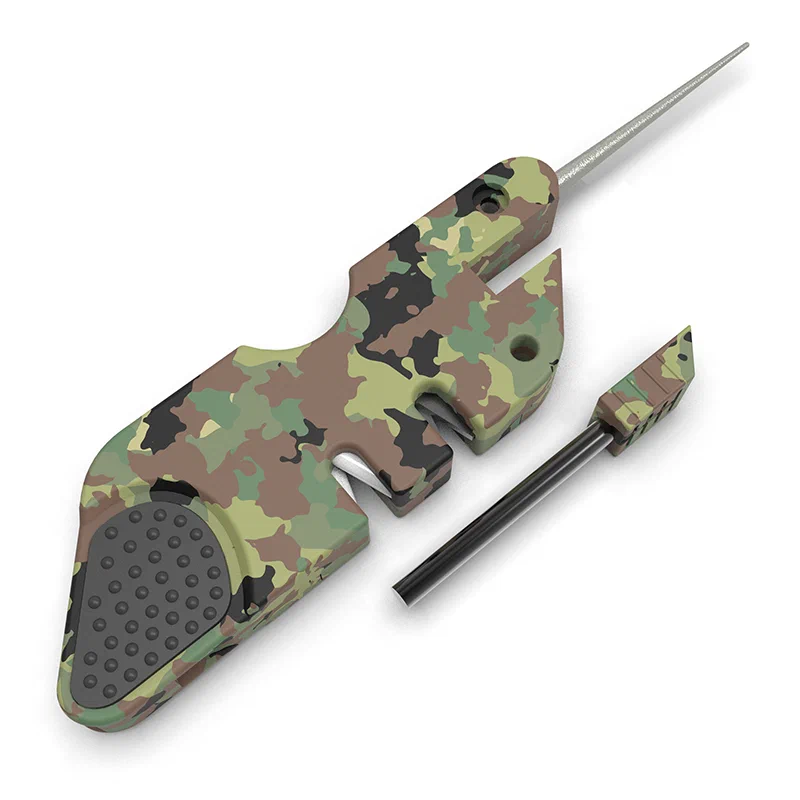
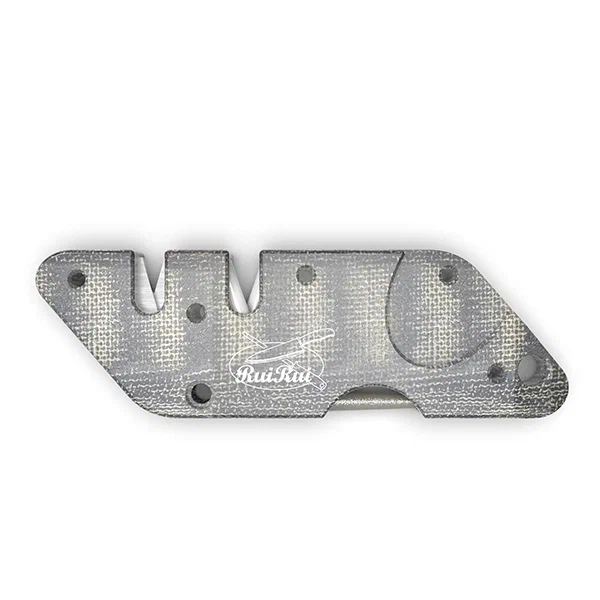
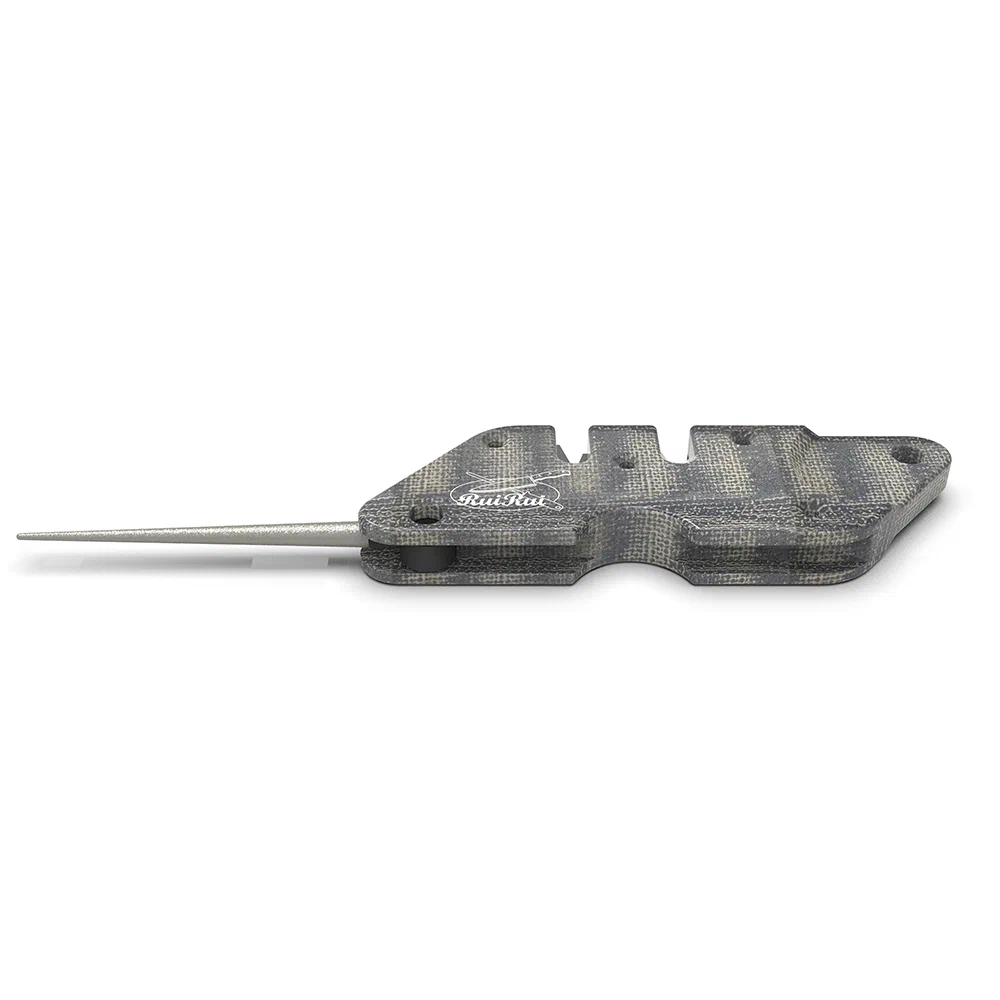
For a folding sharpener such as model TACT-4 — a 4.5" x 1.625" x 0.5" unit weighing 30g — the applicable framework is narrow but real:
- General Product Safety Regulation (EU) 2023/988 — covers consumer articles with no dedicated sector directive.
- REACH (EC) 1907/2006 — restricts SVHCs above 0.1% by weight in articles, plus notification duties under SCIP.
- RoHS 2011/65/EU, amended by (EU) 2015/863 — restricts ten substances in electrical and electronic equipment.
Machinery, EMC and Low Voltage Directives do not apply. There is no motor, no battery and no circuitry in a carbide-and-ceramic sharpener. That gap is where the claim “our sharpeners need no certification” comes from — and it is wrong.
Why the “Not Required” Claim Persists
Suppliers who sell mainly into domestic wholesale never meet an EU customs query. But the obligation attaches when goods are placed on the EU market, at any order value, including Amazon FBA shipments and sample cartons sent to a buyer’s EU warehouse.
What RoHS Restricts
RoHS limits ten substances by weight in each homogeneous material:
- Lead, mercury, hexavalent chromium, PBBs, PBDEs — 0.1%
- DEHP, BBP, DBP, DIBP — 0.1%
- Cadmium — 0.01%
Note the unit of measurement: homogeneous material, not the finished 30g product.
Material Declaration: ABS, Carbide, Ceramic and Restricted Substances
A 30g sharpener looks simple. Under RoHS it is not. The lab disassembles it into separate homogeneous materials and tests each one independently. For TACT-4 that typically yields six to nine fractions: the ABS housing, the carbide insert, the ceramic rod, the tapered diamond rod, any plated screws or spring, and the lanyard cord.
ABS Housing
ABS itself is compliant. The risk sits in additives — brominated flame retardants used in recycled or flame-retardant grades, and phthalate plasticisers in soft-touch overmoulding. Post-industrial regrind is the usual source of contamination. Ask for the grade name and the resin supplier’s declaration, not just a finished-product pass.
Carbide and Ceramic Abrasives
Tungsten carbide inserts can carry cobalt and nickel binders; ceramic rods may contain heavy metal colorants. Both are checked for cadmium and lead migration. Where a sharpener is marketed alongside food preparation (fishhooks, kitchen knives), buyers increasingly request EN 71-3 heavy metal migration data as a voluntary safety layer.
Documentation Suppliers Should Hand Over
- Material declaration sheet, signed and dated, per component
- MSDS for any coated or treated surface
- Homogeneous material list matching the physical bill of materials
- Declaration that no SVHC exceeds 0.1% w/w
If the supplier cannot produce a homogeneous material list, the test report that follows is built on guesswork.
Testing Scope and Documentation: What Buyers Should Receive
A RoHS 10-substance report is the baseline document. Three details determine whether it is usable.
- Validity and batch coverage. Reports are typically accepted for 12 to 24 months. A report dated three years ago does not cover the ABS resin lot used in your production run.
- Consistency of identification. The report must name the model — TACT-4, or TACT-5 for the army green variant — and the manufacturing site. A report issued for a different model number does not transfer.
- Laboratory accreditation. CNAS-accredited labs are standard for Chinese manufacturing; ILAC-MRA mutual recognition makes those results acceptable to EU authorities and to most notified bodies.
What the DoC Must Contain
- Manufacturer name and address, plus the EU authorised representative if applicable
- Unique product identification (model, batch or serial range)
- List of applicable EU legislation by number and date
- Harmonised standards or technical specifications relied on
- Place and date of issue, name and function of the signatory
A one-page DoC with no standard references is a template, not a compliance document.
When Documents and Goods Diverge
If the incoming sample uses a different housing resin than the declared one, the test report is void for that batch. The corrective path is re-declaration plus a fresh test on the actual production material — not a re-dated PDF.
Verifying Supplier Certificates: Red Flags and Cross-Checks
Buyers searching for a bulk outdoor sharpeners with CE RoHS certification supplier will meet the same three tactics repeatedly.
Cross-Check Path
- Take the report number and the issuing lab’s name.
- Open the lab’s own verification portal — most CNAS-accredited labs provide online report lookup.
- Confirm the report number, the model, the applicant company and the issue date all appear in the portal record.
Common Traps
- A “certificate” issued by a commercial consultancy rather than an accredited lab — these carry no testing weight.
- Reports with the applicant name blurred out, or the model field blank.
- A CE logo on the retail packaging presented as proof of certification. The logo is artwork; the DoC is the evidence.
- Reports covering the ABS housing only, while the carbide and diamond components were never tested.
The Three-Way Consistency Test
Report date, model number and factory name must agree across the test report, the DoC and the commercial invoice. Any mismatch is a documentary defect that an EU customs officer can raise at import. Request unredacted originals — a supplier who refuses has answered the question already.
Batch Inspection and Non-Conforming Goods Handling
Compliance does not end at the first shipment. Build the following into your purchase order.
- AQL sampling on the finished carton, per ISO 2859-1, level II, with a critical defect class covering packaging claims and marking.
- Re-test triggers: a new resin supplier, a colour change, or a gap of more than 12 months since the last RoHS report.
- Retained samples, sealed and dated, from each production batch.
If a Batch Fails
Options in practice, ordered by cost:
- Rework — replace the non-conforming component (usually the housing) and re-test the affected homogeneous material.
- Return or destroy — appropriate when contamination is systemic; destruction must be documented for customs.
- Onward sale outside the EU — possible only if the destination market permits it and the buyer accepts the record.
A consignment held at an EU border accrues storage, re-test, re-labelling and administrative costs that regularly exceed the value of the goods themselves. Prevention is cheaper than any of these routes.
Linking Compliance to Product Sourcing Pages
Compliance data belongs next to the product record, not in a separate folder. Buyers who shortlist a sharpener on abrasives and dimensions should be able to pull the certificate set from the same page.
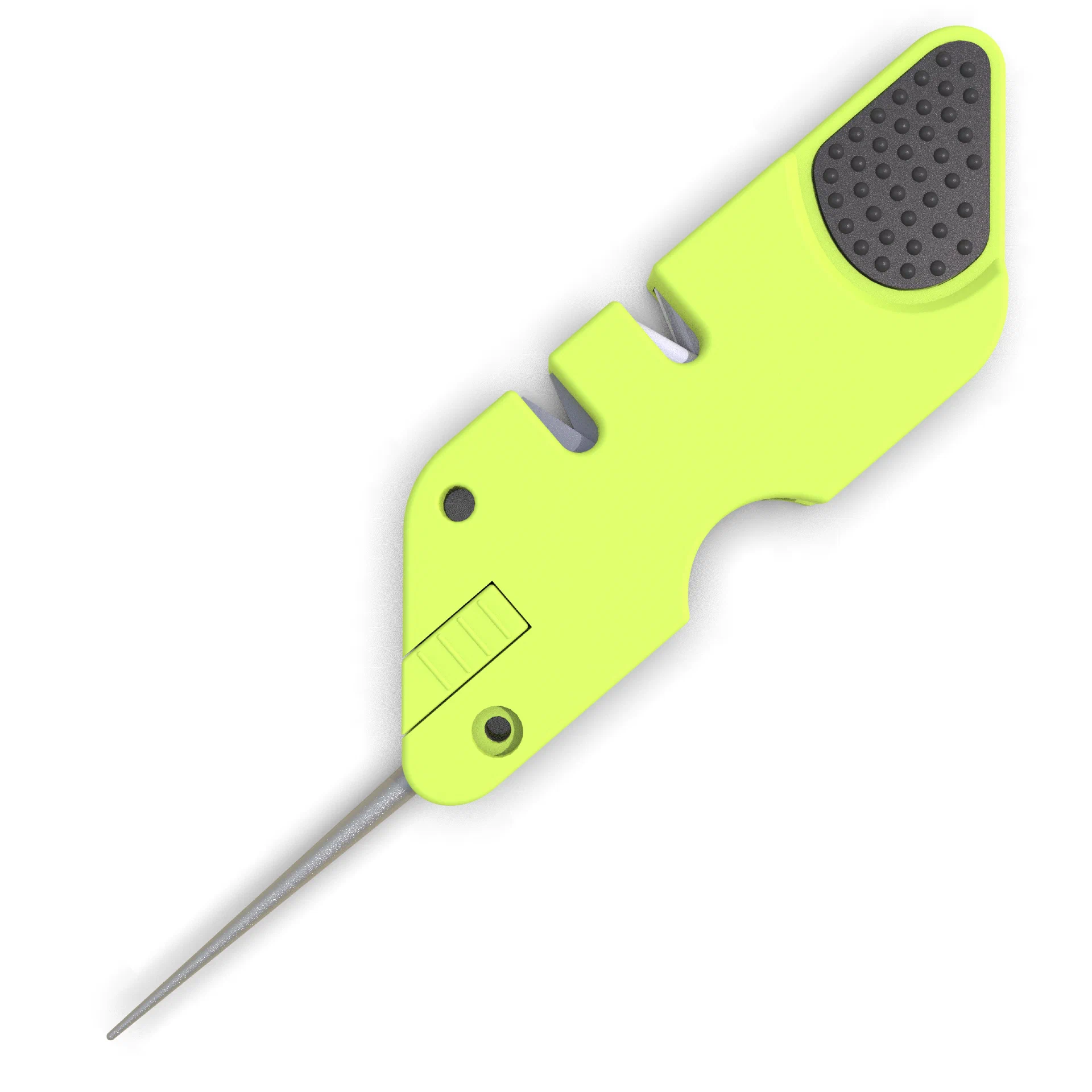
Both TACT-4 and the army green TACT-5 variant share the same ABS, carbide, ceramic and diamond material set, the same CE and RoHS documentation package, and the same 30g form factor — so a compliance file approved for one covers the other, provided the colourant declaration is included.
Send us your target market and order volume, and we will return the CE Declaration of Conformity, the RoHS 10-substance report for the current resin lot, and a batch test schedule for your first production run. Contact our export team to request certificate samples or book a compliance document review before you commit to a purchase order.Recommended Products